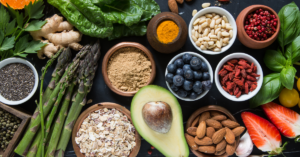


Constipation is common during pregnancy, especially later on. Here’s why it happens, what helped me, which remedies may be safe, and when it’s time to call your healthcare provider.
If pregnancy taught me anything, it’s that nobody talks enough about constipation. People will gladly warn you about morning sickness, swollen ankles, stretch marks, and heartburn. They’ll tell you labor stories that would make a grown man cry.
But nobody sits you down and says, “At some point, your body may completely forget how to poop.”
Yet that’s exactly what happened to me.
During my third trimester, I became increasingly uncomfortable. At first, I assumed it was just another normal pregnancy symptom. My stomach felt bloated, I was full all the time, and finding a comfortable position became harder by the day.
Then several days passed without a bowel movement, and I realized this wasn’t ordinary pregnancy discomfort anymore. Constipation is common during pregnancy, particularly in the second and third trimesters, but that doesn’t make it any less miserable when you’re the one experiencing it.
The good news is that understanding why it happens—and knowing when to ask for help—can make it much easier to manage.
What Is Pregnancy Constipation?
Constipation doesn’t mean you must have a bowel movement every day. Normal bathroom habits vary from person to person. Instead, constipation generally involves a change from your usual pattern, such as going less often, passing hard or dry stools, straining, or feeling as though you haven’t completely emptied your bowels.
Other symptoms can include bloating, abdominal pressure, cramping, and discomfort while using the bathroom. According to the National Institute of Diabetes and Digestive and Kidney Diseases, constipation may also involve fewer than three bowel movements per week, although frequency is only one part of the picture.
Why Does Pregnancy Cause Constipation?
Pregnancy changes nearly every system in the body, and digestion is no exception. Constipation usually develops because several factors are working together.
Hormonal changes slow digestion
One of the biggest contributors is progesterone, a hormone that helps maintain pregnancy. Higher hormone levels can relax the muscles of the digestive tract, causing stool to move more slowly through the intestines.
The longer stool remains in the colon, the more water the colon absorbs from it. This can leave the stool harder, drier, and more difficult to pass. The American College of Obstetricians and Gynecologists confirms that increased hormone levels during pregnancy can slow digestion and contribute to constipation.
Your growing uterus changes the available space
As pregnancy progresses, the uterus expands and the abdominal organs have less room. This physical change may add to the pressure and fullness you already feel, particularly during the third trimester.
However, severe or worsening abdominal pain should never automatically be blamed on the baby, the uterus, or constipation. It deserves a call to your healthcare provider.
Iron can contribute
Iron is essential during pregnancy, and many prenatal vitamins contain it. Unfortunately, iron supplements can make constipation worse for some people.
Do not stop taking your prenatal vitamin or prescribed iron on your own. If you suspect iron is contributing to your symptoms, ask your healthcare provider whether a different dose, formulation, or treatment plan would be appropriate.
Activity and eating habits may change
Fatigue, nausea, pelvic discomfort, or simply carrying a third-trimester belly can make it harder to remain active. Changes in diet and fluid intake may also contribute to slower bowel movements.
Common Symptoms of Pregnancy Constipation
Pregnancy constipation may include:
- Fewer bowel movements than usual
- Hard, dry, or lumpy stools
- Straining during a bowel movement
- Bloating or abdominal pressure
- Pain while passing stool
- Feeling as though you haven’t completely emptied your bowels
Repeated straining can also contribute to hemorrhoids, another glamorous pregnancy experience that nobody puts in the maternity photos.
What Actually Helped Me
I wish I could tell you there was one magical solution that fixed everything immediately. There wasn’t. For me, relief came from using several strategies consistently rather than waiting until I was already miserable.
Drinking more water
Water became my best friend. Staying hydrated can help keep stools softer, particularly when you’re also increasing your fiber intake.
There isn’t one perfect amount of water for every pregnant person. Your needs may change with your activity level, the weather, nausea, and your individual medical situation. Your healthcare provider can help you determine what is appropriate for you.
Eating more fiber-rich foods
Fiber adds bulk to stool and can help it move through the digestive system. ACOG recommends approximately 25 grams of fiber each day during pregnancy. Fruits, vegetables, beans, lentils, whole grains, nuts, and seeds are all helpful sources.
It is usually best to increase fiber gradually. Adding a large amount all at once—especially without drinking enough fluid—may leave you feeling even more bloated. The NIDDK similarly recommends increasing fiber a little at a time so your body can adjust.
Prunes have earned their reputation, but kiwi was what made the biggest difference for me. Finding a fiber-rich food you genuinely enjoy makes it much easier to stay consistent.
Gentle movement
Even a short walk may help stimulate bowel activity. During my third trimester, intense exercise was not exactly at the top of my wish list, but gentle movement felt much more manageable.
If your healthcare provider has placed restrictions on your activity, follow their recommendations before beginning or changing an exercise routine.
Going when I felt the urge
Ignoring the urge to have a bowel movement can give the colon more time to absorb water from the stool. When possible, try not to postpone going to the bathroom.
Giving yourself enough time also matters. Rushing and straining harder are not necessarily helpful.
Talking to my healthcare provider
This is what I wish I had done sooner. Many pregnant women suffer longer than necessary because they assume constipation is something they simply have to endure.
If food, fluids, and movement are not enough, your healthcare provider may recommend a pregnancy-appropriate fiber supplement, stool softener, or laxative. Which option is right depends on your symptoms, medications, and medical history.
Do not assume that a product is safe simply because it is labeled “natural.” Check with your obstetrician, midwife, or pharmacist before using laxatives, herbal teas, enemas, castor oil, or other constipation remedies during pregnancy. MotherToBaby’s pregnancy guidance on laxatives explains that different products work in different ways and should be considered individually.
When Should You Call Your Healthcare Provider?
Constipation is common, but some symptoms require medical advice. Contact your healthcare provider if your constipation is persistent, getting worse, or interfering significantly with eating, sleeping, or daily activities.
Seek prompt medical care for symptoms such as:
- Severe or worsening abdominal pain
- Persistent vomiting
- Fever
- Significant rectal bleeding or black, tarry stool
- Inability to pass stool or gas
- Signs of dehydration
- Regular contractions, vaginal bleeding, or leaking fluid
- Sudden symptoms that feel different from your usual constipation
A small amount of bright-red blood can sometimes come from a hemorrhoid or anal fissure, but bleeding should still be discussed with your healthcare provider—especially if it continues, increases, or you are unsure where it is coming from.
My Experience With Third-Trimester Constipation
Looking back, I underestimated how much constipation could affect my quality of life. I thought it was just a bathroom issue. It wasn’t. It affected my comfort, energy, sleep, appetite, and—honestly—my mood.
There came a point when I wasn’t thinking about nursery decorations or baby clothes. I was thinking about poop. Constantly.
That may not be the glamorous side of pregnancy, but it is a very real one. Eventually, a combination of hydration, fruit—especially kiwi—gentle movement, and getting medical guidance helped me find relief.
The experience taught me something important: just because a symptom is common doesn’t mean you have to suffer through it silently. Constipation may not be the easiest subject to bring up, but your healthcare provider has heard it before. Asking for help could save you days—or weeks—of unnecessary discomfort.
This article is for general educational purposes and is not a substitute for individualized prenatal care. Consult your healthcare provider before taking medications, supplements, herbal products, or laxatives during pregnancy.