

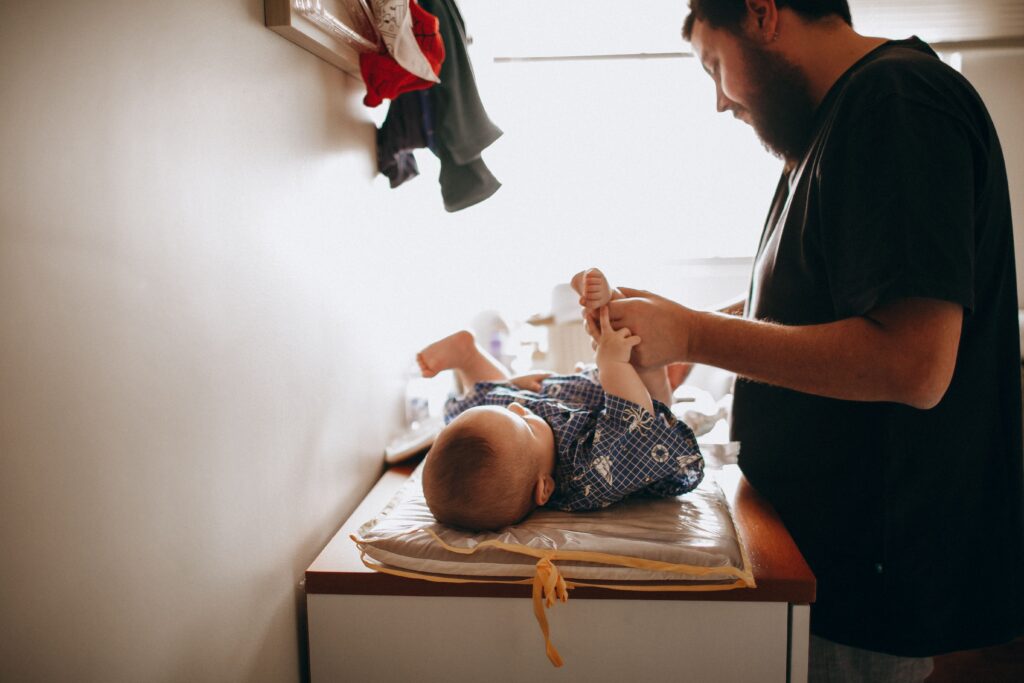
A first-time parent’s guide to newborn poop colors, textures, and frequency—and why I spent far too much time inspecting diapers.
Before becoming a mother, I never imagined there would come a day when I would analyze another person’s poop with the intensity of a crime-scene investigator.
Yet motherhood has a way of changing your priorities.
One day, you’re comparing strollers and researching nursery furniture. The next, you’re holding a dirty diaper under the bathroom light and asking yourself, “Is that mustard yellow—or greenish-yellow?”
When Dreico was born, I quickly learned that babies produce an astonishing number of diapers. What no one prepared me for was how much time I would spend studying the contents of those diapers. Every color sent me down a different Google rabbit hole. Yellow? Good. Green? Possibly good. Brown? Probably normal. Black? Wait—isn’t black dangerous?
Before long, I was convinced I needed a degree in gastrointestinal medicine just to survive the newborn stage.
As it turns out, baby poop changes constantly. Most variations are completely normal, but a few colors should always prompt a call to the pediatrician.
Why Does Baby Poop Change So Much?
A baby’s digestive system goes through enormous changes during the first weeks and months of life. Stool can change based on age, feeding method, medications, illness, and eventually the introduction of solid foods.
Breastfed and formula-fed babies may have very different-looking stools, and combination-fed babies may produce something in between. Even two healthy babies receiving the same type of milk can have completely different diaper patterns.
Adults tend to expect poop to be one predictable shade of brown. Babies have no interest in following that rule. According to the American Academy of Pediatrics, brown, tan, yellow, and green can all fall within the range of normal stool colors. The colors that deserve special attention are generally red, white, and black—with one important exception for a newborn’s first black diapers.
Black or Dark Green Poop: Meconium
A baby’s first bowel movements are typically thick, sticky, and black or extremely dark green. This substance is called meconium, and it contains materials that accumulated in the intestines before birth.
Meconium looks like someone filled the diaper with roofing tar. It sticks to everything, resists ordinary wipes, and makes you question whether the hospital should have provided industrial cleaning equipment.
Despite its appearance, meconium is normal immediately after birth. The American Academy of Pediatrics explains that the first bowel movement or two may be black or dark green and slimy.
Hospital staff monitor whether a newborn passes meconium because failing to have an initial bowel movement may require evaluation. If you are already home and concerned that your newborn has not passed meconium, call the pediatrician rather than waiting for the next appointment.
Greenish-Brown Transitional Poop
As the meconium leaves the baby’s system and regular feeding begins, the stool usually becomes lighter and less sticky. During this transitional period, it may appear greenish-brown, dark green, yellow-green, or some color that seems to have been invented specifically to frighten new parents.
This transition is generally normal. Over the next several days, the stool usually begins to resemble the baby’s more typical breast-milk or formula stool.
Mustard-Yellow Poop
Breastfed baby poop is commonly mustard yellow, loose, and seedy. The small seed-like pieces can resemble cottage cheese curds, which is information nobody needs while eating breakfast—but here we are.
This texture is usually normal and does not automatically mean the baby has diarrhea. Breastfed stools can be extremely loose while still being healthy.
Diarrhea is more about a noticeable change from the baby’s usual pattern. A sudden increase in both the number and wateriness of stools—especially when accompanied by poor feeding, fever, vomiting, blood, or signs of dehydration—is more concerning than one naturally loose diaper.
Green Poop
Green poop causes a disproportionate amount of panic for something that is usually harmless.
A green diaper may result from normal digestive variation, bile pigments, iron-containing formula or supplements, medication, or stool moving through the intestines relatively quickly. It can occur in breastfed, formula-fed, and combination-fed babies.
One correction worth making: green stool by itself is not reliable proof of a “foremilk-hindmilk imbalance.” That explanation gets repeated constantly online, but parents should not start restricting feeds, timing breasts, pumping unnecessarily, or changing an otherwise successful feeding routine based solely on diaper color.
If the baby is feeding comfortably, gaining weight, producing the expected number of wet diapers, and acting normally, an occasional green stool is usually not an emergency. Persistent green stools accompanied by pain, feeding problems, blood, fever, or poor growth deserve a conversation with the pediatrician.
Tan or Brown Poop
Formula-fed babies often have stools that are tan, yellow-brown, light brown, greenish-brown, or peanut-butter colored. The consistency is usually thicker and more paste-like than breastfed stool, but it should not normally be dry or pellet-like.
Combination-fed babies may produce stools that borrow qualities from both categories because apparently their diapers enjoy keeping parents humble.
Once solid foods are introduced, stool commonly becomes firmer, darker, smellier, and more recognizable as human poop. It may also temporarily reflect whatever the baby recently ate. Carrots, blueberries, spinach, and beets can all create alarming diapers with completely innocent explanations.
Which Poop Colors Are Concerning?
Most colors are variations of yellow, green, tan, or brown. Three colors deserve more attention: white, red, and black after the meconium period.
White, chalky, or pale-gray stool
White, chalky, clay-colored, or unusually pale-gray stool can indicate that insufficient bile is reaching the intestines. This may be related to a liver, gallbladder, or bile-duct problem and requires prompt medical evaluation.
Do not wait several days to see whether repeated white stool corrects itself. Take a photograph in good lighting, save the diaper if practical, and contact the pediatrician promptly. This is one diaper color where becoming a crime-scene investigator is entirely appropriate.
Red or bloody stool
Red coloring may come from blood, although foods and medications can sometimes change stool color in older babies who have started solids. In a newborn who is not eating red foods, red stool is more concerning.
A small streak of bright-red blood can sometimes come from an anal fissure caused by passing a hard stool. Blood may also have other causes, including irritation, infection, or a food-protein reaction. The American Academy of Pediatrics recommends bringing red or bloody stool to the pediatrician’s attention rather than diagnosing the cause at home.
Contact the pediatrician even if the amount appears small. Seek urgent care if there is a significant amount of blood or if the baby also appears ill, unusually sleepy, pale, feverish, dehydrated, or difficult to console.
Black stool after meconium
Black stool is expected during the first days after birth because of meconium. Once the meconium period has passed and the baby’s stool has changed to its regular color, black or tarry stool needs medical attention. It can sometimes represent digested blood from higher in the digestive tract.
Iron may darken stool, and swallowed maternal blood can occasionally affect a newborn’s stool, but those possibilities should not be assumed without speaking to a healthcare professional.
Take a photograph and contact the pediatrician promptly if the stool is truly black and tar-like after the newborn transition.
Texture Matters Too
Color gets most of the attention, but texture can provide equally useful information.
Breastfed stools are often loose and seedy. Formula-fed stools tend to be thicker and paste-like. Combination-fed stools may fall somewhere between the two. After solid foods begin, stool usually becomes firmer and more formed.
Hard, dry pellets are more suggestive of constipation than simply going several days without pooping. Babies may strain, grunt, turn red, or pull up their legs while passing a completely soft stool. That dramatic performance does not necessarily mean they are constipated; newborns are still learning how to coordinate their abdominal and pelvic muscles.
Watery stool can also be normal for a breastfed baby. Diarrhea is more likely when stools suddenly become much more frequent and watery than usual or occur alongside fever, vomiting, poor feeding, mucus, blood, or signs of dehydration.
The key word is change. Parents know what is normal for their own baby, even when that normal looks completely strange to everyone else.
How Often Should a Baby Poop?
There is an enormous range of normal. Some newborns poop during or after nearly every feeding. Other babies go much less frequently.
The American Academy of Pediatrics notes that infant stool frequency can range from several times a day to once every several days. Age and feeding method matter, though.
During the first month, a breastfed newborn who is stooling less than once a day may not be taking in enough milk, particularly if there are also concerns about weight gain, feeding, or wet diapers. That pattern should be discussed with the pediatrician or lactation professional.
After the first month, some healthy breastfed babies may go several days—or occasionally longer—between bowel movements. If the eventual stool is soft, the baby is feeding and growing well, and there are no other concerning symptoms, infrequency alone does not necessarily mean constipation.
Do not give a young baby water, juice, suppositories, or constipation medication unless the baby’s healthcare professional specifically recommends it.
What About Mucus?
A small amount of mucus may occasionally appear in a diaper. Babies naturally produce mucus, and swallowed nasal secretions may also pass through the digestive system—especially when the baby has a cold.
Persistent or increasing mucus deserves attention, particularly if it appears with blood, fever, watery diarrhea, vomiting, feeding refusal, poor weight gain, or unusual discomfort. A photograph can help the pediatrician understand exactly what you are seeing because “slimy” means different things to different exhausted parents.
When Should You Call the Pediatrician?
Contact the pediatrician promptly if your baby has:
- White, chalky, clay-colored, or very pale-gray stool
- Red or bloody stool
- Black, tarry stool after the meconium period
- Persistent mucus or an unusual change in stool pattern
- Hard, dry, painful stools
- A swollen, firm, or tender abdomen
- Repeated vomiting, especially green or projectile vomiting
- Poor feeding or fewer wet diapers
- Unusual sleepiness, weakness, or difficulty waking
- Poor weight gain
- Diarrhea accompanied by fever, blood, vomiting, or dehydration
A rectal temperature of 100.4°F (38°C) or higher in a baby younger than three months requires immediate contact with a healthcare professional, regardless of what is happening in the diaper.
My Experience
Looking back, I laugh at how quickly I became convinced that every diaper contained a hidden clue about my parenting abilities.
One diaper would look greener than the one before it, and suddenly I was researching milk composition, digestive enzymes, food sensitivities, and whether I had somehow broken Dreico’s stomach overnight.
Meanwhile, Dreico remained completely unbothered. He was eating well, growing beautifully, producing wet diapers, and filling his diapers at an impressive pace. The only person losing sleep over the color chart was me.
Eventually, I realized that diapers are useful information, but they are not a parenting report card. A single strange-looking diaper does not mean you fed your baby incorrectly or missed something important.
The better approach is to look at the whole baby. Is the baby feeding well? Growing appropriately? Producing wet diapers? Alert when awake? Acting like themselves? Those details matter more than whether today’s poop is mustard yellow, greenish-yellow, or a mysterious shade best described as “newborn swamp.”
Babies change constantly. Their feeding changes, their sleep changes, and, yes, their poop changes too.
Most of the time, the diaper is simply a diaper.
But when it is red, white, or unexpectedly black, that is the time to stop Googling and call the pediatrician.
This article provides general educational information and is not a substitute for medical care. Contact your child’s healthcare professional if you are concerned about stool color, feeding, hydration, illness, or growth.