
If you’ve been down the fertility research rabbit hole (and let’s be honest, if you’re reading this, you probably have), you already know that egg quality is one of those phrases that gets thrown around a lot without much explanation. What does it actually mean? And more importantly — is there anything you can actually do about it?
The short answer: yes, to a degree. While you can’t reverse your biological age or change how many eggs you have left, there’s real research showing that certain supplements can support the health of the eggs your body is preparing to release. Think of it less like turning back the clock and more like giving your eggs the best possible environment to mature in. Here’s what the science actually says.
First, a Quick Word on Timing
Eggs don’t mature overnight. The process actually takes around 90 days from start to finish, which is why most fertility specialists will tell you that supplements need a solid three-month runway before you can expect to see any real difference. So if you’re just getting started, try not to get discouraged if week two doesn’t feel like a dramatic transformation — this is a slow-and-steady kind of project.
CoQ10: The One Everyone Talks About
Coenzyme Q10 (CoQ10) is probably the most researched supplement in the egg quality conversation, and it’s earned that reputation. As we get older, the mitochondria inside our eggs — basically their power plants — naturally become less efficient, and that decline is linked to increased oxidative stress inside the egg itself. CoQ10 helps counter that by supporting mitochondrial energy production and calming down oxidative damage.
Research backs this up in a meaningful way. One review found CoQ10 supplementation was linked to better ovarian function, more eggs retrieved, and improved embryo quality, especially in women with diminished ovarian reserve or at an older maternal age. Clinical studies have also shown CoQ10 use is associated with higher pregnancy rates in both natural conception and assisted reproduction. It’s one of the few supplements where the “why it works” science (protecting mitochondria, reducing oxidative stress) lines up cleanly with the “does it actually help” outcomes.
One practical note: most specialists recommend stopping CoQ10 once you get a positive pregnancy test, since its main job is supporting egg maturation and early fertilization — after that, a standard prenatal takes over.
Myo-Inositol: A Favorite for Hormone Balance
Myo-inositol has become a go-to recommendation, especially for women with PCOS or irregular cycles, because of how it supports insulin sensitivity and hormonal balance — both of which play a role in how well eggs mature. It’s often paired with a smaller amount of D-chiro-inositol, usually in a ratio designed to mirror how the two naturally occur in the body.
While most of the myo-inositol research has focused on sperm and IVF outcomes broadly, the findings have been encouraging enough that it’s become a staple in fertility supplement routines, particularly for anyone dealing with insulin resistance or ovulatory irregularities.
DHEA: Helpful, But Not a DIY Supplement
DHEA (dehydroepiandrosterone) shows up a lot in fertility forums, and there’s genuine research behind it — particularly for women with a diminished ovarian reserve or a history of poor response to ovarian stimulation. Studies looking at DHEA (often alongside CoQ10) taken for several months before a treatment cycle have shown improvements in antral follicle counts and clinical outcomes for this specific group.
Here’s the important caveat, though: DHEA is hormone-active. It’s not something to casually add to your routine without a doctor’s involvement, since it can affect hormone levels and lab results in ways that actually matter for your treatment plan. This is one supplement where “more research says it helps” doesn’t mean “figure out your own dose.”
Vitamin D
Vitamin D deficiency is incredibly common, and it turns out vitamin D receptors are actually present in ovarian tissue, which is part of why researchers have connected healthy vitamin D levels to better fertility outcomes overall. If you haven’t had your levels checked recently, this is a pretty easy one to test for and correct if needed — often one of the simplest wins in a fertility supplement routine.
Omega-3 Fatty Acids
Omega-3s bring anti-inflammatory benefits to the table and support healthy cell membranes, including in developing eggs. They’re a common recommendation not just for egg quality specifically, but as part of an overall fertility-supportive diet — which, encouragingly, research suggests works about as well as any single supplement on its own.
Antioxidants: Vitamin E, Vitamin C, and Friends
Because oxidative stress is such a central player in egg aging, general antioxidant support — vitamin E, vitamin C, alpha-lipoic acid — often gets folded into egg quality formulas alongside CoQ10. The idea is to protect egg cells from the kind of cumulative damage caused by age and everyday environmental exposures. On their own, these antioxidants aren’t usually the star of the show, but as part of a broader formula, they’re doing quiet, supportive work in the background.
A Gentle Reality Check
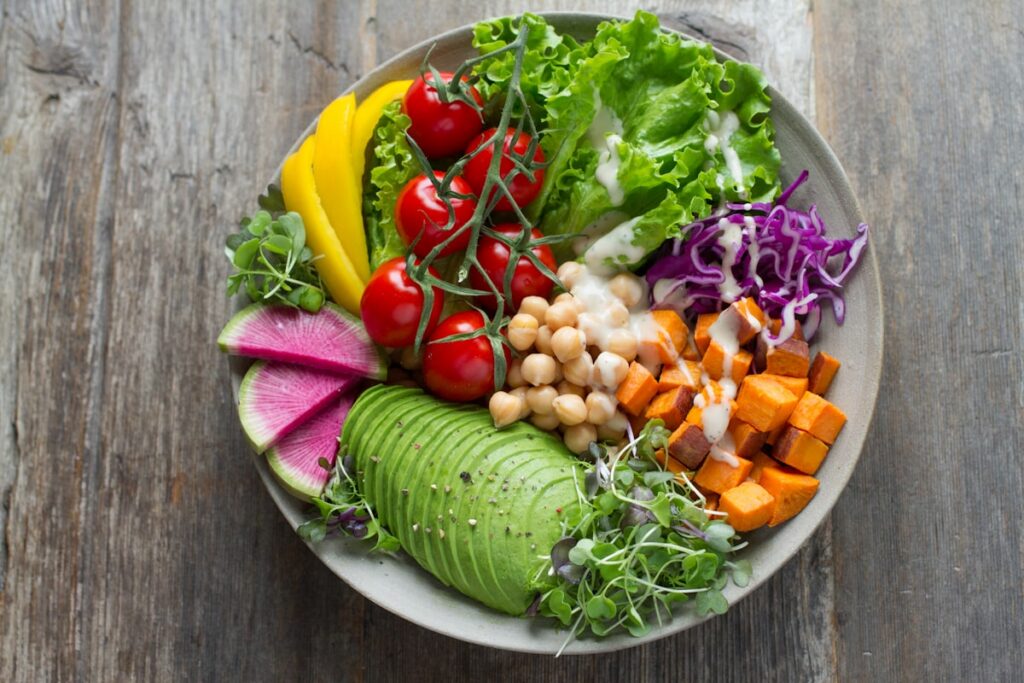
It’s worth saying clearly: supplements are a support system, not a guarantee. A well-known Cochrane review of dozens of randomized trials looked at oral antioxidant supplementation broadly and found some encouraging signals, but the overall evidence base is still evolving, and results vary a lot depending on the individual, the dose, and what’s actually driving someone’s fertility challenges in the first place. The most consistent advice across the research isn’t really about any single pill — it’s that a nutrient-dense, Mediterranean-style diet paired with the right supplements tends to be the most well-supported approach overall.
Before You Start
A few practical things worth doing before you build your supplement stack:
- Get bloodwork done first. Knowing your actual vitamin D, hormone, and nutrient levels means you’re not guessing.
- Loop in your doctor, especially for DHEA. It’s hormone-active and needs medical oversight.
- Give it time. Remember that 90-day window — consistency matters more than intensity here.
- Check with your fertility clinic if you’re mid-treatment. Some supplements (DHEA especially) can interfere with hormone monitoring during IVF cycles.
At the end of the day, supporting egg quality is really about creating the best possible conditions for your body to do what it’s already trying to do. No pill is magic, but the right combination — grounded in real research and paired with a healthy foundation — can genuinely make a difference.
Sources
- Reproductive BioMedicine Online — Nutritional supplements and IVF: an evidence-based approach
- PMC (National Library of Medicine) — Exploring the protective effects of coenzyme Q10 on female fertility
- PMC (National Library of Medicine) — The effect of Myo-inositol on improving sperm quality and IVF outcomes: A systematic review and meta-analysis
- Ubie Health — Improve Egg Quality Fast: The Essential CoQ10 Dosage You Need
- Conceive Plus — The Best Supplements to Improve Egg Quality: A 2026 Research-Backed Roundup
This article is for informational purposes only and isn’t a substitute for professional medical advice. Always check with your doctor or fertility specialist before starting a new supplement, especially during active fertility treatment.