

Acupuncture is often promoted as a natural treatment for blocked fallopian tubes, but can it physically reopen a tube? Learn what causes tubal blockage, how it is diagnosed, and which treatments have credible evidence.
A blocked fallopian tube can be one of the most frightening findings during a fertility evaluation. Because the tubes are essential for natural conception, it is understandable to search for something—anything—that might reopen them without surgery or IVF.
Acupuncture is frequently promoted online as a way to “increase circulation,” “reduce inflammation,” or “restore flow” through the fallopian tubes. Some clinics and wellness practitioners even describe it as a natural alternative to medical treatment.
But here is the honest answer: there is no reliable evidence that acupuncture can physically reopen a fallopian tube that is blocked by scar tissue, adhesions, structural damage, or fluid.
Acupuncture may help some people relax or manage discomfort during fertility treatment, but it should not be presented as a proven treatment for tubal obstruction.
What Does a Blocked Fallopian Tube Mean?
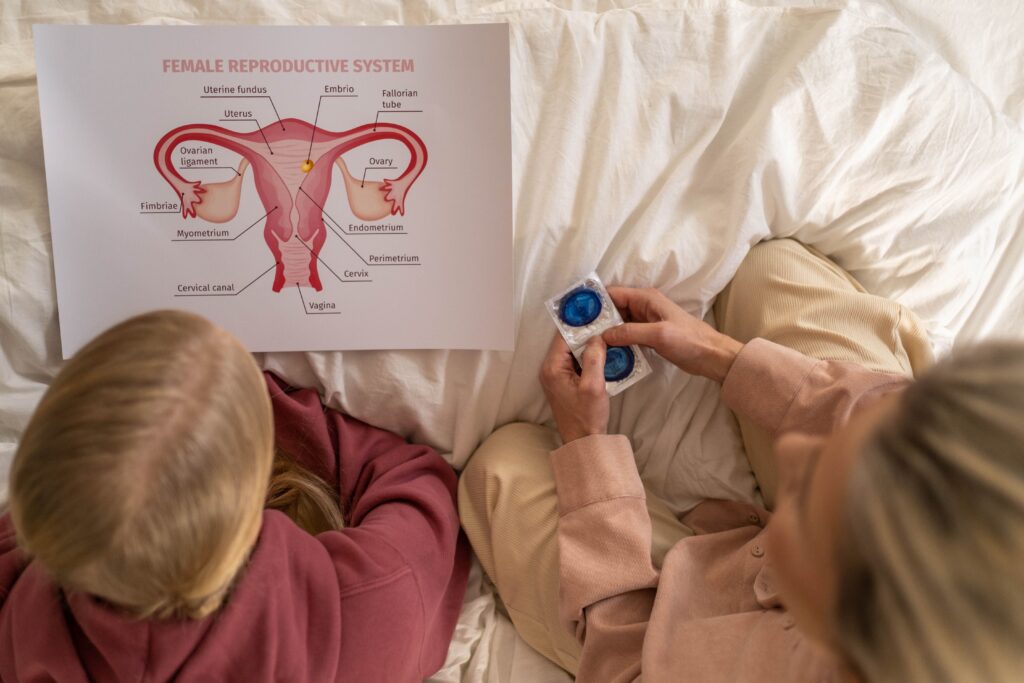
The fallopian tubes connect the ovaries to the uterus. After ovulation, a tube must capture the egg and provide a pathway where sperm and egg can meet. If fertilization occurs, the developing embryo then travels through the tube toward the uterus.
A blockage can occur near the uterus, known as a proximal blockage, or near the ovary at the far end of the tube, known as a distal blockage. One tube may be affected, or both tubes may be involved.
Tubal disease accounts for approximately 25% to 35% of female-factor infertility, according to the American Society for Reproductive Medicine. Common risk factors include pelvic inflammatory disease, previous sexually transmitted infections, endometriosis, prior pelvic or abdominal surgery, and a history of ectopic pregnancy. (ASRM)
The location and cause of the blockage matter. A tube that appears closed because of temporary muscular spasm during testing is not the same as a tube damaged by extensive scarring or filled with fluid.
Can Acupuncture Physically Open a Blocked Tube?
Acupuncture cannot cut through scar tissue, remove adhesions, reconstruct damaged tissue, or drain a hydrosalpinx. Those are physical problems that require an appropriate medical or surgical approach.
Some published reviews have reported positive results from acupuncture or acupuncture combined with herbal medicine for “tubal infertility.” However, these studies often have serious limitations, including inconsistent definitions of tubal blockage, small sample sizes, weak comparison groups, differences in accompanying treatments, and an emphasis on pregnancy rather than confirmed reopening of the tubes or live birth.
A pregnancy occurring after acupuncture does not prove that acupuncture reopened a tube. The original test may have shown a false-positive blockage, only one tube may have been affected, or conception may have occurred despite reduced rather than completely absent tubal function.
There is currently no high-quality evidence strong enough for major reproductive-medicine organizations to recommend acupuncture as a treatment for confirmed tubal obstruction.
Why Might an HSG Show a Blockage That Is Not Really There?
A hysterosalpingogram, commonly called an HSG, is an X-ray procedure in which contrast material is passed through the uterus to determine whether the fallopian tubes appear open. It is generally considered the standard first-line test for assessing tubal patency, but it is not perfect.
The tube can temporarily tighten where it connects to the uterus. Mucus or debris may also interfere with the flow of contrast. Either situation can make a proximal tube appear blocked even when there is no permanent structural obstruction.
ASRM reports that in one study, approximately 60% of patients whose initial HSG showed proximal blockage had open tubes when the test was repeated one month later. Other patients thought to have proximal blockage on HSG were later found to have open tubes during laparoscopy. (ASRM)
This is an important distinction. If a tube appears open after someone receives acupuncture, that does not necessarily mean acupuncture removed a blockage. The first result may have reflected spasm, temporary debris, technical factors, or a false-positive finding.
Can an HSG Help Open the Tubes?
Passing contrast through the tubes during an HSG may flush out minor mucus or debris. Some research has found temporarily higher pregnancy rates after tubal flushing, particularly when certain oil-based contrast agents were used.
That does not mean an HSG can repair severe damage. It may help when the issue involves minor material within the tube, but it cannot reverse extensive scarring, restore damaged internal cilia, or reliably repair a hydrosalpinx.
The type of contrast also carries potential benefits and risks, so tubal flushing should be discussed with a fertility specialist rather than pursued as a guaranteed fertility treatment.
What Is Tubal Cannulation?
When an HSG suggests blockage close to the uterus, a specialist may recommend selective salpingography or tubal cannulation. During tubal cannulation, a thin catheter and guidewire are carefully passed through the opening of the tube. This can confirm whether the blockage is real and may open an obstruction caused by mucus or debris.
ASRM recommends considering tubal cannulation for certain younger patients with proximal tubal obstruction and no other major infertility factors. If the catheter cannot pass through the obstruction using gentle pressure, the blockage is more likely to involve true fibrosis or structural disease. IVF is often preferred in those cases. (ASRM)
Cannulation is not appropriate for every type of tubal disease. Its usefulness depends on the location of the blockage and whether the remainder of the tube appears healthy.
What If Only One Fallopian Tube Is Blocked?
Natural conception may still be possible when one tube is open and functioning. Pregnancy does not require both fallopian tubes, although having only one functional tube may reduce the opportunities for sperm and egg to meet.
Management depends on the location of the blockage, the condition of the open tube, age, ovarian reserve, sperm quality, ovulation, and the length of time spent trying to conceive. ASRM notes that intervention is not always required for a unilateral proximal blockage when there are no abnormalities in the far end of the tube. (ASRM)
A fertility specialist should review the actual HSG images rather than relying only on a short written statement saying “one tube blocked.”
What If Both Tubes Are Blocked?
When both tubes are truly and completely blocked, sperm and egg cannot meet through intercourse alone. The appropriate options depend on the cause and location of the damage.
Some proximal blockages may be treated with tubal cannulation. Selected patients with mild distal disease may be candidates for laparoscopic repair. When the tubes are severely damaged or cannot be repaired, IVF is generally the most effective way to bypass them because fertilization occurs outside the body and the embryo is transferred directly into the uterus.
Age, ovarian reserve, semen-analysis results, surgical history, the extent of tubal damage, cost, and the number of children desired should all be considered when comparing tubal surgery with IVF.
What Is a Hydrosalpinx?
A hydrosalpinx is a severely damaged fallopian tube that has become blocked and filled with fluid. This is not a blockage that acupuncture can drain or repair.
The fluid may leak back into the uterus and interfere with implantation. For patients planning IVF, ASRM recommends removing or separating an irreparably damaged hydrosalpinx from the uterus because doing so can improve IVF pregnancy rates. Treatment may involve laparoscopic removal of the affected tube or blocking it close to the uterus. (ASRM)
The idea of removing a fallopian tube can be emotionally difficult, especially when someone is already grieving a fertility diagnosis. However, leaving a significant hydrosalpinx untreated can reduce the chance that an embryo will implant successfully.
Can Acupuncture Still Be Used?
You can still choose acupuncture for relaxation, stress management, or general well-being while undergoing evaluation or fertility treatment. It simply needs to be placed in the correct category: optional supportive care rather than a method for reopening a tube.
Acupuncture should not delay an HSG, repeat imaging, tubal cannulation, surgery, or IVF when one of those options is medically indicated. It should also not be allowed to consume money that you need for diagnostic testing or effective treatment.
If you decide to try it, choose a properly licensed practitioner who uses sterile, single-use needles and understands that you are undergoing fertility treatment. Tell both the acupuncturist and fertility specialist about every therapy, herb, or supplement you are using.
Be Careful With “Proof” Shared Online
Stories about tubes becoming open after acupuncture can be compelling, particularly when they come from someone who later became pregnant. But a personal story cannot show whether the original blockage was permanent, whether the test produced a false-positive result, or whether another treatment caused the change.
A single case report is also not enough to establish an effective treatment. Researchers need well-designed studies comparing acupuncture with an appropriate control, confirming tubal status before and after treatment, and reporting meaningful outcomes such as live birth and ectopic pregnancy.
This matters because tubal damage can increase the risk of ectopic pregnancy. If a damaged tube becomes partially open, an embryo may enter the tube but fail to reach the uterus. Any pregnancy following a diagnosis or treatment of tubal disease should be monitored early to confirm its location.
Questions to Ask After Being Diagnosed With Blocked Tubes
Ask your fertility specialist where the blockage is located, whether one or both tubes are affected, and whether the images suggest spasm, mucus, scarring, adhesions, or hydrosalpinx. You should also ask whether the test needs to be repeated and whether tubal cannulation could help clarify or treat a proximal blockage.
If surgery is proposed, ask how healthy the tubes appear, how likely they are to remain open, and how surgery would affect your risk of ectopic pregnancy. When comparing surgery with IVF, discuss your age, ovarian reserve, semen-analysis results, desired family size, cost, recovery time, and the experience of the surgeon.
The phrase “blocked tubes” does not provide enough information to choose a treatment. The location and severity of the damage determine what options are realistic.
The Bottom Line
Acupuncture may help someone feel calmer during fertility treatment, but it has not been shown to physically reopen fallopian tubes blocked by scar tissue, adhesions, structural damage, or hydrosalpinx.
Before accepting the diagnosis as final, confirm what kind of blockage was seen and whether the result could reflect temporary spasm or a false-positive HSG. Some proximal obstructions can be evaluated or treated through tubal cannulation, while other cases may require surgery or IVF.
Wanting a gentle, noninvasive answer is understandable. But when the problem is structural, relaxation and improved circulation cannot replace accurate testing and appropriate medical treatment.
This article is for educational purposes and does not replace individualized medical advice.