
What to Eat During IVF Stims: A Fertility Nutrition Guide
Wondering what to eat during ovarian stimulation? Learn which foods can support your body during IVF stims, help manage bloating, and keep your energy up throughout treatment.
When I started IVF injections, I thought the hardest part would be remembering all the medications.
I quickly realized there was another question that seemed to follow me everywhere:
“What should I be eating?”
Every article I read seemed to have a different answer. One person insisted I needed pineapple every day. Another swore by pomegranate juice. Someone else claimed dairy was the enemy, while another recommended eating full-fat yogurt at every meal.
At some point I realized I was spending almost as much time researching food as I was researching fertility medications.
The truth is, there isn’t a magical IVF diet that guarantees pregnancy. But your body is working incredibly hard during ovarian stimulation. Your ovaries are growing multiple follicles at once, hormone levels are rising rapidly, and many people experience bloating, fatigue, constipation, and emotional ups and downs.
Eating balanced, nourishing meals won’t guarantee more eggs or better embryos, but it can help support your body while it does some pretty remarkable work.
Why Nutrition Matters During Stims
During ovarian stimulation, your body is under far more physical stress than it experiences during a typical menstrual cycle. Fertility medications encourage multiple follicles to mature simultaneously, causing estrogen levels to rise much higher than normal.
Many patients notice:
- Increased bloating
- Fatigue
- Constipation
- Mild nausea
- Increased thirst
- Food cravings or reduced appetite
While food can’t replace your medications, eating well may help you feel more comfortable throughout treatment and provide your body with the nutrients it needs during this demanding stage.
Build Every Meal Around Protein
If there’s one nutrition tip you’ll hear repeatedly during IVF, it’s to prioritize protein—and for good reason.
Protein supports tissue repair, helps maintain muscle, and keeps you feeling full longer. It may also help stabilize blood sugar, which can be helpful during a time when hormones are fluctuating.
Good protein choices include:
- Eggs
- Chicken or turkey
- Fish
- Greek yogurt
- Cottage cheese
- Beans and lentils
- Tofu and edamame
- Protein shakes with minimal added sugar
Rather than aiming for perfection, try including a source of protein with each meal and snack.
Choose Carbohydrates That Keep You Going
Carbohydrates aren’t the enemy. In fact, they’re your body’s preferred source of energy.
Instead of eliminating carbs, focus on choosing ones that digest more slowly and provide lasting energy.
Some great options include:
- Oatmeal
- Brown rice
- Quinoa
- Sweet potatoes
- Whole-grain bread
- Whole-wheat pasta
- Beans
Highly processed snacks, sugary drinks, and pastries can still fit into life occasionally, but they probably won’t leave you feeling your best during stimulation.
Don’t Be Afraid of Healthy Fats
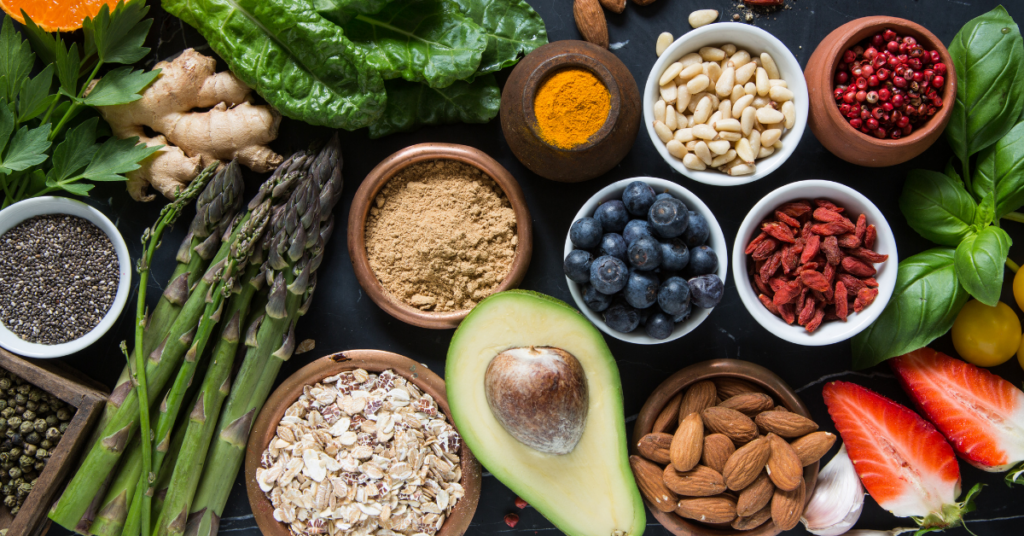
Hormones are made from cholesterol, and healthy dietary fats play an important role in overall hormone production and vitamin absorption.
Include foods such as:
- Avocados
- Olive oil
- Almonds
- Walnuts
- Chia seeds
- Flaxseeds
- Salmon
- Sardines
These foods also help make meals more satisfying, which can be helpful if your appetite changes during treatment.
Hydration Is More Important Than You Think
One of the biggest surprises during stims is how thirsty many people become.
As estrogen rises and your ovaries enlarge, staying hydrated becomes increasingly important. Drinking enough fluids may also help ease constipation and support your body as it adjusts to hormonal changes.
Aim to drink water consistently throughout the day rather than trying to catch up all at once.
Some people also enjoy:
- Electrolyte drinks with lower added sugar
- Coconut water in moderation
- Herbal teas approved by their fertility team
If your clinic recommends increasing electrolytes because you’re at risk for OHSS, be sure to follow their specific guidance.
Eat Plenty of Color
No, not food coloring.
Fruits and vegetables provide vitamins, minerals, antioxidants, and fiber that support overall health.
Try including a variety of colors throughout the week:
- Blueberries
- Strawberries
- Spinach
- Kale
- Bell peppers
- Broccoli
- Carrots
- Tomatoes
You don’t have to eat a perfect rainbow every day. Simply aiming for variety is a great place to start.
Don’t Forget Fiber
Between fertility medications, reduced activity, and anesthesia after egg retrieval, constipation is extremely common during IVF.
Fiber helps support healthy digestion and can make those uncomfortable days a little easier.
Good sources include:
- Oats
- Beans
- Lentils
- Apples
- Pears
- Berries
- Broccoli
- Chia seeds
Just remember to increase your water intake as you increase fiber.
A Sample Day of Eating During Stims
Here’s what a balanced day might look like:
Breakfast: Scrambled eggs, whole-grain toast, and fruit.
Snack: Greek yogurt with blueberries.
Lunch: Grilled chicken, quinoa, roasted vegetables, and avocado.
Snack: Apple slices with almond butter.
Dinner: Baked salmon, roasted sweet potato, and steamed broccoli.
This isn’t the only way to eat during IVF—it’s simply one example of building balanced meals with protein, healthy fats, fiber, and complex carbohydrates.
Foods You Don’t Need to Fear
One of the most stressful parts of IVF is feeling like every bite of food determines your outcome.
The reality is much more reassuring.
Having dessert won’t ruin your cycle.
Eating pizza one night won’t undo weeks of medications.
Missing one “superfood” won’t prevent pregnancy.
Consistency matters far more than perfection. Focus on nourishing your body most of the time while still allowing yourself flexibility and enjoyment.
IVF is already difficult enough. Your plate doesn’t need to become another source of anxiety.
What I Learned
During stims, I spent so much time trying to find the “perfect” fertility diet that I almost forgot something important: my body was already working incredibly hard. Instead of obsessing over individual foods, I eventually shifted my focus toward eating enough protein, drinking more water, and choosing meals that made me feel good.
Looking back, that’s the advice I’d give anyone starting IVF. You don’t need to chase every trend or buy every expensive supplement you see online. Nourish your body, stay hydrated, and remember that your medications—not a single smoothie or salad—are doing the heavy lifting. Food is there to support you, not to carry the burden of your entire cycle.
Key Takeaways
- There is no single “IVF diet” that guarantees pregnancy.
- Prioritize protein, fiber, healthy fats, and whole-food carbohydrates.
- Stay well hydrated throughout ovarian stimulation.
- Eating consistently is more important than eating perfectly.
- Focus on supporting your body rather than trying to control every outcome through food.
Fertility Vocabulary
Ovarian Stimulation (Stims): The phase of IVF when fertility medications encourage multiple follicles to grow.
Follicle: A fluid-filled sac in the ovary that contains a developing egg.
OHSS (Ovarian Hyperstimulation Syndrome): A complication in which the ovaries become enlarged after fertility medications.
Antioxidants: Natural compounds found in many fruits and vegetables that help protect cells from oxidative stress.
Electrolytes: Minerals such as sodium and potassium that help regulate hydration and muscle function.